Speciality coffee is the top grade of coffee: beans that score 80 points or more out of 100 when they're tasted by trained graders. But it's about more than a score. It's coffee you can trace back to where it was grown, roasted to bring out its own flavours, and brewed with care. Here's what makes it special, and how to choose one you'll love.

Coffee is going the way of wine
Think about how wine has changed. Years ago most of us chose a bottle by its price and its label, with little idea what was inside. Now we know we like a Malbec or a Rioja, and we expect a good bottle to taste of where it came from.
Coffee has followed the same path. First came mass-market coffee: jars of instant and tins of ground coffee on every supermarket shelf. Then came the coffee shop chains, which made espresso drinks part of everyday life. Now we're in what's often called the third wave, where people want to know which country, farm and even which variety their coffee comes from, and what it will taste like.
What makes coffee "speciality"?
The Specialty Coffee Association (SCA) grades coffee on a 100-point scale. Trained tasters score it for fragrance, flavour, aftertaste, acidity, body, balance, sweetness and more, and check the green beans for defects. Coffee that scores 80 or above counts as speciality. Words like "gourmet" or "premium", on the other hand, are marketing terms with no set standard.
Speciality coffee is almost always arabica, usually grown at altitude, where the beans ripen slowly and develop more complex flavours. Ethiopia, Colombia, Kenya, Brazil and Guatemala are among the best-known origins.

Sourced differently
Most everyday coffee is bought and sold as a commodity, blended from many farms, with little link back to the people who grew it. Speciality roasters often buy from individual farms, estates and co-operatives, and many build long-term relationships with them. That usually means better prices for farmers who grow better coffee, and it means you can know exactly where your coffee comes from.

Roasted differently
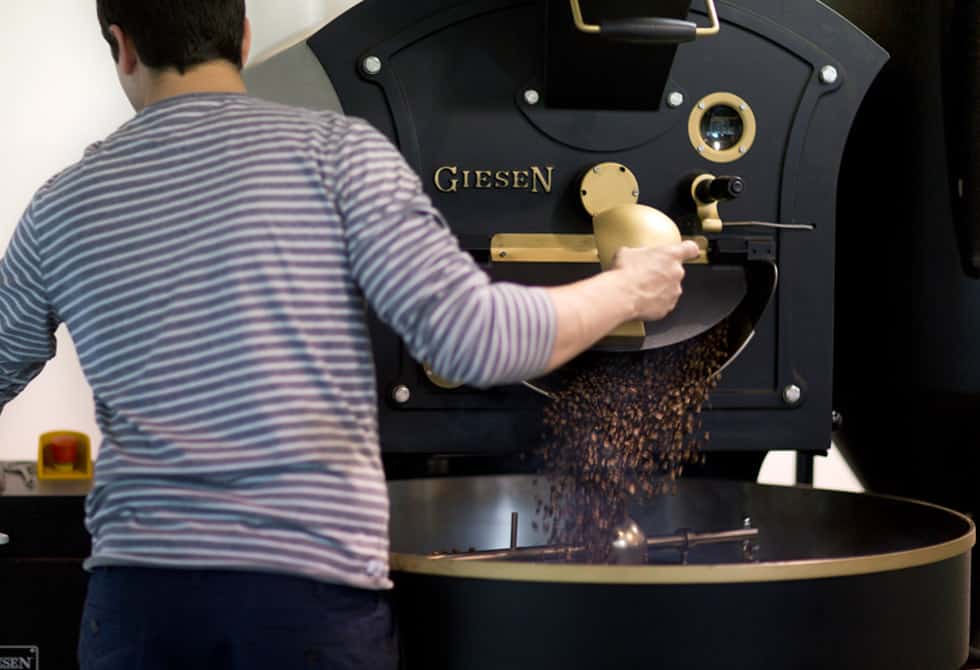
A lot of supermarket coffee is roasted dark. The darker the roast, the more it tastes of the roast itself, rather than the bean. It's easy to assume a dark roast is "stronger", but mostly it's just more bitter. In fact, lighter roasts have slightly more caffeine per bean than darker ones, so darker definitely doesn't mean stronger.
Speciality roasters usually roast lighter, often light or medium, to bring out each coffee's natural flavours. That's why speciality coffee can taste of so much more than just "coffee": dark chocolate and nuts, strawberries and blueberries, toffee, citrus or flowers. Many roasters roast a coffee differently for filter and for espresso, too.
How to choose a speciality coffee you'll love
- Read the tasting notes. If you like rich, comforting flavours, look for notes like chocolate, caramel and nuts. If you like something lighter and fruitier, try notes like berries, citrus or florals.
- Look at the origin. As a rough guide, Brazil and Colombia are often smooth and chocolatey, Ethiopia and Kenya bright and fruity, and Central American coffees balanced and sweet.
- Check the roast date. Speciality coffee tastes best within a few weeks of roasting. Here's how long coffee stays fresh.
- Try it black first. Good speciality coffee often doesn't need milk or sugar. Give it a go, and you might be surprised.
- Brew it well. A simple method like a French press or V60 pour-over lets the flavours shine.

A world tour of coffee
The best way to find out what you like is to try lots of different coffees. That's exactly why we started Blue Coffee Box: every delivery brings a different speciality coffee from one of the UK's top independent roasters, with tasting notes so you can learn what you love.
Discover a new coffee every delivery
Get a different single-origin speciality coffee from the UK's top independent roasters, freshly roasted and 100% arabica. Choose whole beans or a grind for your brewer, including decaf. Free UK delivery, and you can skip a delivery, change your date or cancel anytime.